


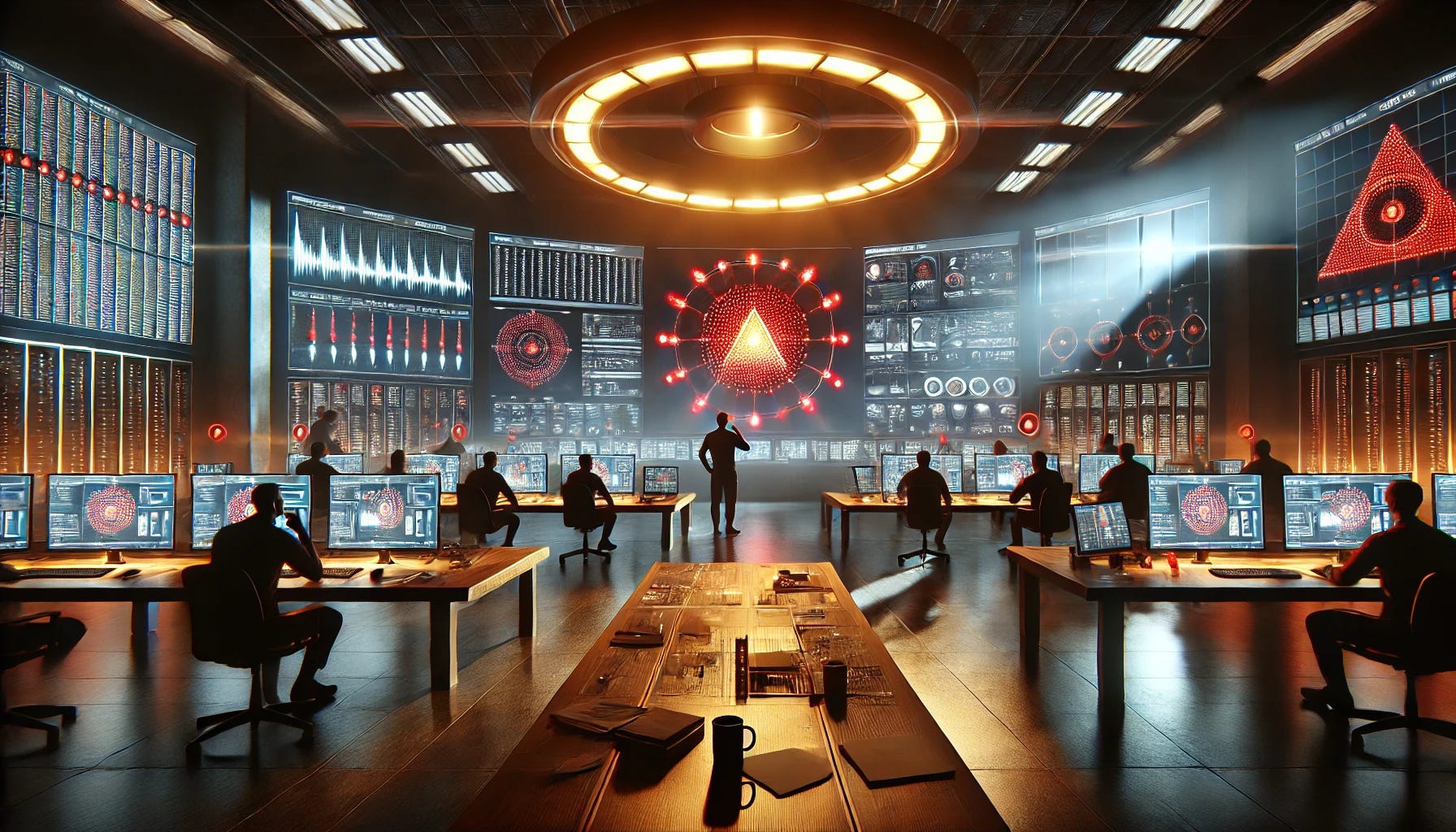
The phone rang at 3 a.m., shattering the silence. On the other end, a panicked voice: 'The system's down. Everything's down!'
In that instant, sleep dissolved into adrenaline as the weight of the situation hit me. This wasn’t a minor hiccup, it was a full-scale systems crash, and the clock was already ticking.
The project was a high-stakes IT integration for a major client, a merger that promised to redefine the competitive landscape in their industry. Weeks of planning, testing, and late nights had gone into ensuring the smooth transition of their operations. But now, it felt as though the entire foundation was crumbling beneath us. With millions of dollars in transactions frozen and a global network on pause, the stakes couldn’t have been higher.
Before the chaos, the project was already a complex puzzle. Two legacy systems, both riddled with their own quirks, needed to seamlessly converge into a single, unified platform. The timeline was tight, the dependencies numerous, and the margin for error non-existent. My team and I had flagged several risks early on, ranging from data compatibility issues to insufficient testing windows, but the client’s pressing deadlines left little room for maneuvering.
Despite our best efforts to mitigate these risks, the pressure of merging not just technology but cultures, processes, and expectations weighed heavily on everyone involved. It was only a matter of time before the cracks began to show.
The cracks appeared gradually at first. Sporadic delays in data migration, minor glitches in user authentication, issues that were logged, assessed, and resolved without much fanfare. But these small warning signs were like smoke before a fire, hinting at deeper structural vulnerabilities.
The turning point came during the final migration phase, where the new system was set to go live. Teams were working across three time zones, a patchwork of specialists juggling responsibilities. Late-night Zoom calls became the norm, where exhaustion painted every face, yet no one dared admit how close we were to burnout.
A senior developer flagged a recurring error during data validation late into the second night, an issue that could potentially cascade into larger disruptions. Despite raising the alarm, the leadership team, pressured by the client’s urgency, decided to press forward with the launch. After all, everything else seemed to be holding steady, and delaying the timeline wasn’t an option.
What we didn’t see, or perhaps didn’t want to see, was the perfect storm brewing beneath the surface. System dependencies that hadn’t been fully stress-tested buckled under the load. By the time the issue escalated, it was too late to reverse course.
The 3 a.m. call was the moment everything unraveled. Core system functions were down: transactions frozen, internal communications paralyzed, and the client’s escalation team inundated with complaints from stakeholders. The air was thick with tension as we scrambled to triage the problem.
In those first hours, the biggest challenge wasn’t just technical, it was emotional. The team was stretched thin, battling sleep deprivation, self-doubt, and the weight of what failure would mean for the client. I vividly remember the moment I had to pull the team into a virtual “war room,” calm the chaos, and set priorities.
My first instinct was to start solving the technical issues myself, but leadership demanded a different approach. I divided the team into task forces: one to address immediate fixes, another to communicate transparently with the client, and a third to dig into the root cause of the failure.
We had to make tough calls. A rollback of the system was on the table, a decision that would come with significant reputational and financial costs. But before pulling that trigger, we explored every alternative.
The real breakthrough came from an unlikely source. A junior analyst, scanning logs for anomalies, discovered a configuration mismatch that had escaped earlier scrutiny. That discovery turned out to be the linchpin of the issue.
Once the root cause was identified, the tide began to turn. Teams worked in unison to isolate the fault, patch the system, and methodically restore functionality. It wasn’t glamorous work, it was hours of meticulous testing, cross-checking, and implementing fixes under immense pressure.
Communication was another battlefield. Keeping the client informed without overwhelming them required a delicate balance. “We’re on it” wasn’t enough; they needed to see progress, understand timelines, and feel reassured that we weren’t just putting out fires but addressing the underlying causes.
But setbacks didn’t end there. As we restored the system, cascading issues surfaced, unanticipated because of how tightly the components were interconnected. Each new hurdle tested the team’s resilience and problem-solving skills.
By sunrise, the system was operational again. Not perfect, but stable enough to restore critical functions and allow the client to resume business. The team, exhausted but triumphant, had pulled off what felt like a miracle.
In the weeks that followed, we conducted a thorough post-mortem, documenting lessons learned and implementing safeguards to prevent similar failures in the future. For the client, the crisis underscored the value of robust risk management and comprehensive testing—a message that hit harder than any PowerPoint presentation ever could.
For me, the experience was transformative. It taught me the power of decisive leadership, the importance of empowering every member of the team, and the value of keeping a cool head in the face of chaos.
Looking back, the crisis wasn’t just a test of technical expertise, it was a masterclass in leadership, collaboration, and resilience. As consultants, we’re often brought in as problem-solvers, but the reality is that we’re also firefighters, diplomats, and coaches all rolled into one.
My advice to anyone facing a similar challenge: Don’t wait for a crisis to stress-test your systems, or your team. Build redundancy, invest in communication, and prepare as if failure is inevitable, because someday, it might be. And when it does, remember that every crisis is an opportunity to grow stronger, smarter, and more united.
When systems crash, it’s not just technology that’s tested, it’s people. And sometimes, it’s in the trenches where the best lessons are learned.